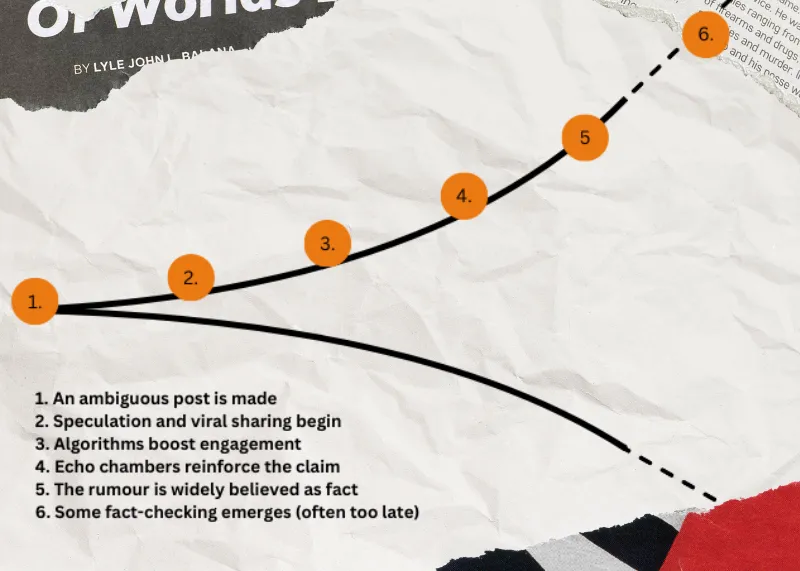
The recent far-right riots in the UK, triggered by the tragic killings in Southport, have highlighted the powerful role social media plays in spreading disinformation and inciting violence. The transformation in communication through social media has created an “algorithmic outrage” environment, significantly impacting how misinformation proliferates and influences public behaviour.
The Background
The Southport incident saw three young girls fatally stabbed, which led to widespread unrest and violence, fuelled by false claims and malicious speculation on platforms like Telegram and X (formerly Twitter). These platforms’ algorithms often prioritise sensational and provocative content, leading to the rapid dissemination of inflammatory and false information. This “polarisation engine” effect has made social media a fertile ground for far-right extremism, echoing similar patterns observed globally.
Researchers and experts, including Nobel laureate Maria Ressa, have noted that the current information ecosystem exacerbates radicalisation by clustering like-minded individuals and amplifying their anger and fears. This has led to a decentralised but potent far-right movement, leveraging social media to mobilise and incite violence, as seen in the riots across various UK cities following the Southport attack.
Increasing Media Literacy
To combat the spread of misinformation and its dangerous consequences, enhancing media literacy among the public is crucial. This includes:
- Critical Evaluation: Encouraging individuals to critically evaluate the sources and content of the information they consume and share. Checking the credibility of sources and verifying facts before accepting and disseminating information can help mitigate the spread of falsehoods.
- Education Programs: Implementing comprehensive media literacy education in schools and communities to teach people how to navigate and critically assess digital information.
- Awareness Campaigns: Running public awareness campaigns to highlight the dangers of misinformation and how to spot and avoid it.
An example of the importance of verifying information is the recent incident involving Nick Lowles, the head of Hope Not Hate, who apologised for spreading a false tweet about an acid attack on a Muslim woman. This underscores the necessity of verifying information before sharing, even for well-intentioned causes.
How Advertisers Can Curb Harmful Content and Influence Platforms
Leverage Spending Power
- Brands and advertisers must utilise their advertising budgets to pressure social platforms into taking meaningful action against harmful content.
- Rather than merely voicing opinions on social media, brands should pull their advertising spend until platforms implement effective measures.
Steps for Advertisers
- Suspend Ads on Non-Compliant Platforms: Immediately halt advertising on platforms that fail to address hate speech and misinformation.
- Ensure Ethical Monetisation: Avoid supporting platforms that monetise harmful content, thereby reducing financial incentives for such practices.
- Demand Transparency and Action: Engage with platforms to demand clear, transparent measures against harmful content.
Collective Responsibility
- Role of Major and Minor Brands: Both large and small advertisers have a crucial role in this effort. Major brands can lead the way, but the collective action of smaller advertisers also significantly impacts.
- De-platforming Power: Advertisers hold significant power to de-platform individuals and entities that promote hate speech by choosing where to allocate their funds.
Addressing the root causes of the recent far-right riots in the UK requires a multi-faceted approach that includes increasing media literacy and holding social media platforms accountable. By educating the public on critical media consumption and leveraging economic influence, we can mitigate the spread of disinformation and prevent future violence. Social media managers and advertisers have a significant role in this effort, ensuring that platforms foster a safer and more informed online environment.
Sources:
https://www.campaignlive.co.uk/article/adland-urged-step-social-medias-role-uk-riots/1883359
https://www.telegraph.co.uk/news/2024/08/05/nick-lowles-hope-not-hate-apologise-tweet-acid-attack/