Unpacking why certain stories resonate and how digital platforms exploit inherent cognitive biases
Misinformation rarely goes viral by pure coincidence. Instead, a mix of human psychology and platform algorithms determines what gains traction. Part 2 described the journey of a rumour through specific stages, but that lifecycle alone does not fully explain why people gravitate toward unverified or implausible claims. This third instalment aims to examine how personal biases, emotional triggers, and tech-driven engagement metrics interact to push misinformation from niche discussions to mainstream attention.
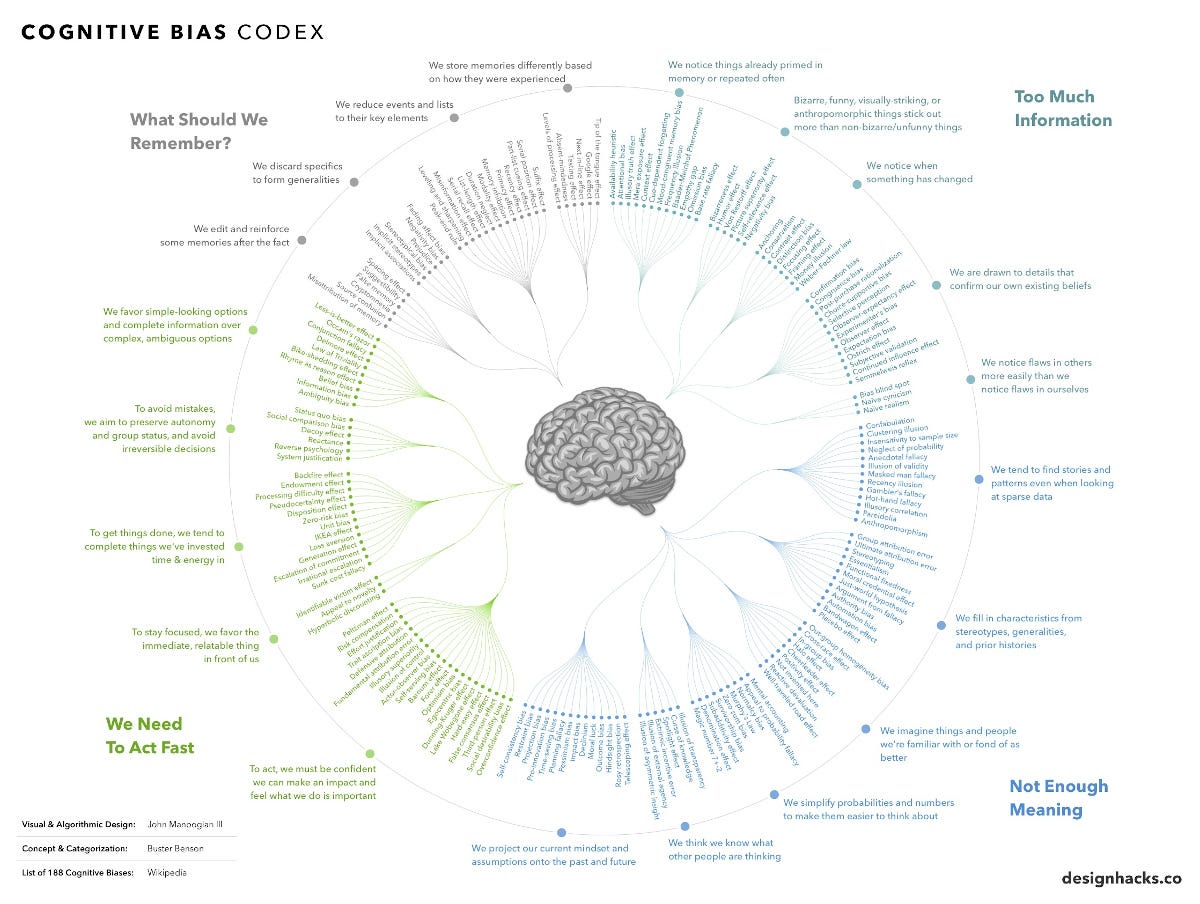
Cognitive processes, such as the illusory truth effect and confirmation bias, influence individuals to accept or reject information based more on belief than fact.
So this is the point to check yourself, will you scroll past TikTok videos that challenge your views?
Platforms like Twitter/X, Facebook, TikTok, and Instagram boost content that keeps people engaged, often pushing sensational stories over thoughtful journalism. Understanding these psychological and tech-driven triggers can help you spot red flags before believing misleading content.
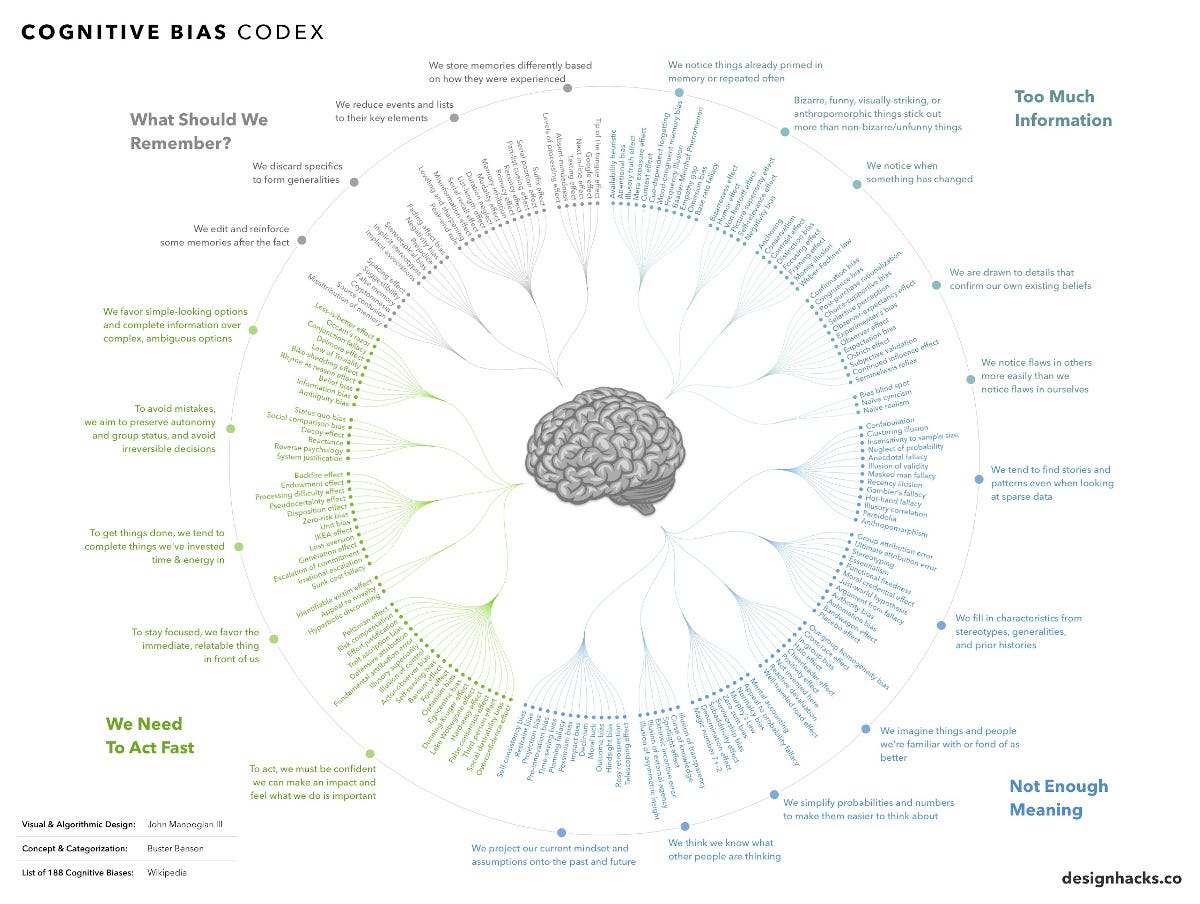
Source: Visual Capitalist
Confirmation Bias: Seeing what you expect to see
Confirmation bias is the tendency to seek, interpret, and recall information in ways that reinforce pre-existing beliefs (Nickerson, 1998). People often share rumours or news stories that match their worldview without thoroughly verifying them, while quickly dismissing anything that challenges their beliefs.
For example, someone who suspects a politician of corruption is more likely to believe any rumour accusing them of wrongdoing, no matter how shaky the source.
Confirmation bias also fuels polarised echo chambers, where rumours pick up speed if they fit the group’s narrative.
The Illusory Truth Effect: Repetition breeds acceptance
The illusory truth effect explains how repetition makes statements feel true, just because they’re familiar (Hasher, Goldstein, & Toppino, 1977). Online, the same rumour pops up across different platforms – from Twitter threads to TikTok videos or podcasts – creating the sense that ‘everyone’s talking about it.’
For example, when multiple creators share the same opinion on TikTok, it can flood your FYP, making it seem like there’s a widespread consensus. That’s social proof in action!
Even after a rumour gets fact-checked, the constant repetition can still embed it in public perception.
Emotional Ripple: Outrage and empathy as catalysts
Strong emotions like anger, fear, or sympathy drive more engagement than neutral content (Berger & Milkman, 2012). A scandalous tweet or shocking headline spreads fast as people react on impulse.
For example, a ‘call-out’ video – where someone publicly criticises or exposes another’s behaviour – might rack up thousands of views in a day because it fuels collective outrage, overshadowing any careful analysis of the claims made. Similarly, when Selena Gomez shared a tearful video about mass deportations affecting Mexican families, it quickly went viral. While many responded with sympathy, others criticised her for making the issue about herself. The emotional reactions dominated, leaving little space for thoughtful discussion or fact-checking.
Emotional reactions often overpower rational thinking, pushing people to share content without checking if it’s actually true.
Algorithmic Amplification: Feeding the engagement loop
Social media algorithms prioritise content that sparks comments, likes, or shares, often pushing sensational or polarising topics. Platforms use these interactions to keep people engaged and boost ad revenue (Pariser, 2011).
For example, during the 2024 U.S. presidential election, false claims about voter fraud spread rapidly on X (formerly Twitter). One video falsely claimed to show a Haitian immigrant attempting to vote multiple times in Georgia. Despite being debunked as part of a Russian disinformation campaign, the video gained significant engagement and was widely shared, overshadowing accurate reporting (AP). Additionally, incorrect claims made by Elon Musk about the election amassed over 2 billion views on X, amplifying misinformation even further (Reuters).
The result? Reliable, less emotional news gets buried, while unverified or manipulative stories rise to the top.
Echo Chambers and Personalisation
Echo chambers form when people follow only those who share their opinions. Algorithms reinforce this tendency through personalisation, suggesting similar accounts or content based on past interactions, gradually isolating users from alternative viewpoints (Sunstein, 2018). Research shows that social media can limit exposure to diverse perspectives, fostering environments where like-minded users reinforce shared narratives (pnas.org).
In September 2024, false claims circulated online alleging that Haitian immigrants in Springfield, Ohio, were abducting and eating pets. These baseless rumours gained traction as social media algorithms personalised content feeds, pushing similar sensational posts to users already engaging with anti-immigrant narratives. The more users interacted with this type of content, the more their feeds became dominated by it. Despite local authorities and fact-checkers debunking the claims, they continued to spread within these isolated communities, reinforcing existing fears and biases (npr.org).
The result? Personalised, homogenous feeds reduce critical challenge. Contradictory evidence rarely surfaces, allowing rumours to flourish unchecked.
Bots and Automation: Artificial credibility boosters
Coordinated bot networks can flood hashtags or comments to make a rumour appear more popular, drawing in genuine users. Investigations by cybersecurity researchers often reveal tens of thousands of automated accounts at work in political or commercial campaigns.
In July 2024, the U.S. Department of Justice disrupted a Russian government-run bot farm that used AI to impersonate Americans on social media. These fake profiles posted content supporting Russia’s actions in Ukraine, creating the illusion of widespread domestic approval. The operation misled genuine users into believing these views were more popular than they actually were (npr.org).
The result? Bots distort metrics for ‘trending topics,’ tricking people into thinking a viral phenomenon is organic.
Break the Cycle: Spot, Question, Resist
Misinformation thrives at the intersection of psychology and technology. Cognitive biases like confirmation bias and the illusory truth effect shape what people are inclined to believe, while platform algorithms, bots, and echo chambers reinforce and accelerate the spread of unverified claims. The result is a digital environment where viral falsehoods can overshadow credible information.
However, misinformation isn’t inevitable. By critically assessing content, questioning why a particular story appears in your feed, and actively seeking diverse perspectives, users can challenge misleading narratives rather than passively amplifying them. Recognising the role of emotion and engagement-driven platforms can make it easier to step back and ask: Is this being pushed because it’s true, or because it triggers a reaction?
The next instalment explores astroturfing – a form of manipulation where artificial grassroots movements are engineered to appear as organic public sentiment, influencing everything from political discourse to consumer behaviour.
References & Further Reading (Part 3)
NPR. (2024). False claims about Haitian immigrants in Ohio debunked. Retrieved from npr.org
Berger, J., & Milkman, K. L. (2012). What makes online content viral? Journal of Marketing Research, 49(2), 192–205.
Hasher, L., Goldstein, D., & Toppino, T. (1977). Frequency and the conference of referential validity. Journal of Verbal Learning and Verbal Behavior, 16(1), 107–112.
Nickerson, R. S. (1998). Confirmation bias: A ubiquitous phenomenon in many guises. Review of General Psychology, 2(2), 175–220.
Pariser, E. (2011). The Filter Bubble: What the Internet Is Hiding from You. Penguin.
Sunstein, C. R. (2018). #Republic: Divided Democracy in the Age of Social Media. Princeton University Press.
PNAS. (2023). How social media shapes echo chambers and political polarization. Proceedings of the National Academy of Sciences. Retrieved from pnas.org
NPR. (2024). Russian bot farm used AI to spread misinformation. Retrieved from npr.org
Reuters. (2024). Elon Musk’s incorrect US election claims amassed 2 billion views on X. Retrieved from reuters.com
AP. (2024). False claims about voter fraud in Georgia spread widely on social media. Retrieved from apnews.com