The feed is my mirror but at what cost? For me I think it’s driven a huge amount of my online fashion purchases.
I think I’d like to be opted out of advertising in my home and phone. This isn’t going to be easy, because even if I don’t switch on the TV, even if I don’t open the social media apps, there are already logos all around me. Starting from when I switch on my phone – Apple. My watch? Apple. My work laptop says DELL. So does the screen. The ergonomic mouse I use? Logitech.
I wash my clothes in a Bosch washing machine, my dishwasher (best investment ever) is a Lamona, I hoover the flat with a Dyson, and wipe the floors with Vileda. My towel is from [missing brand].
I wear Nike Air Rifts to the pub where I choose the beer based on the brand — Guinness. When I go for a run, I open the Runna app on my Apple Watch, I wear adidas shorts and, now that it’s cold, my Danish Endurance leggings, a Merino Icebreaker top, and Brookers running shoes.
Getting ready for work, I use multiple Merit makeup products, a bit of Clinique, Maybelline mascara, and I wash my hair with KMS. I dry it with a [XXX] hairdryer, straighten it with a [XXX] straightener, use Taft hairspray and Hair Story dry styling spray. Nails? Essie and OPI.
To work, I wear my Holzweiler mac, Ganni trousers, and carry a Dr Martens rucksack. I read a book on the Kindle app on my commute — if I’m not listening to Spotify, an audiobook, or a podcast. All of those may play advertising into my ears. I’ll see posters, OOH displays, car brands, shops, real estate signs. If I pay with my card, that’ll be with a specific bank — also a brand. I’ve collected enough Vitality points to get a free coffee from Caffè Nero before walking into the office.
At work, more of the same. A Dell laptop, Apple work phone, Sprinklr for social media management, MS Office for emails and everything else. There’ll be Volvic water sold in the kitchen, and branded electrolytes if I need a boost. If I head out for lunch, it’s often from Itsu.
After work, I go to the gym — Nuffield Health, if I wanted to spend more money I’d go to Third Space.
At this point, I haven’t even mentioned a single social media platform (unless we’re counting Spotify and LinkedIn, which:
- I use to stay entertained at all times,
- I literally work with.
But obviously — Instagram. Facebook. (I’m a millennial.) Twitter (I refuse to call it X, also it’s awful). TikTok, eBay, ChatGPT, WhatsApp, Duolingo, Letterboxd, Mubi, Gmail, Depop, Pinterest. There’s more, but you get it.
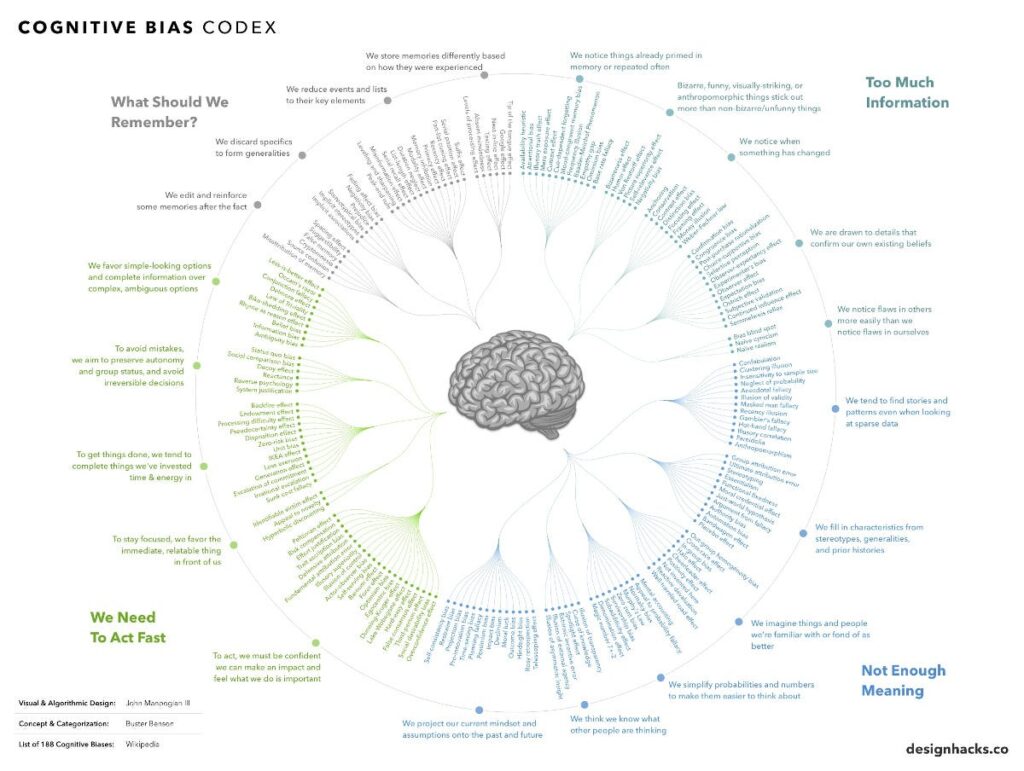
What I’d like to call out — for myself — is that I genuinely enjoy going onto e-commerce fashion sites. When I get advertised to, I click. I add things to my favourites. I fill my basket. And even though I work in marketing, even though I know I’m being retargeted, even though I know about the “seven touches” — I still click.
And I’d like to not be so heavily influenced by an algorithm in 2026.
I’d love not just the option to opt out — like in the EU where you can pay Meta to stop personalised ads — but something more fundamental. I want to be able to opt out completely. For free. Without losing access. Without downgrading the experience.
Now that the option is here in the UK too, I’ve actually signed up for a month to trial how and if at all opting out of ads on Meta is worth it for me, if I experience social media, at least Meta, in a different way at all. It’s expensive at £6.99 for a month for both Facebook and Instagram.
In the end my social media isn’t the same as my commute. I’m fine with seeing a billboard or a logo on someone’s shoes.
But I don’t agree with my interests being constantly tracked, monetised, used to push things I didn’t even know I wanted. Until the algorithm decided I did.
You see the ad. You ignore it. Then it follows you for days. You break. You buy. Welcome to the feed.